Why Do (Some) Pitchers Throw Harder After Tommy John Surgery?
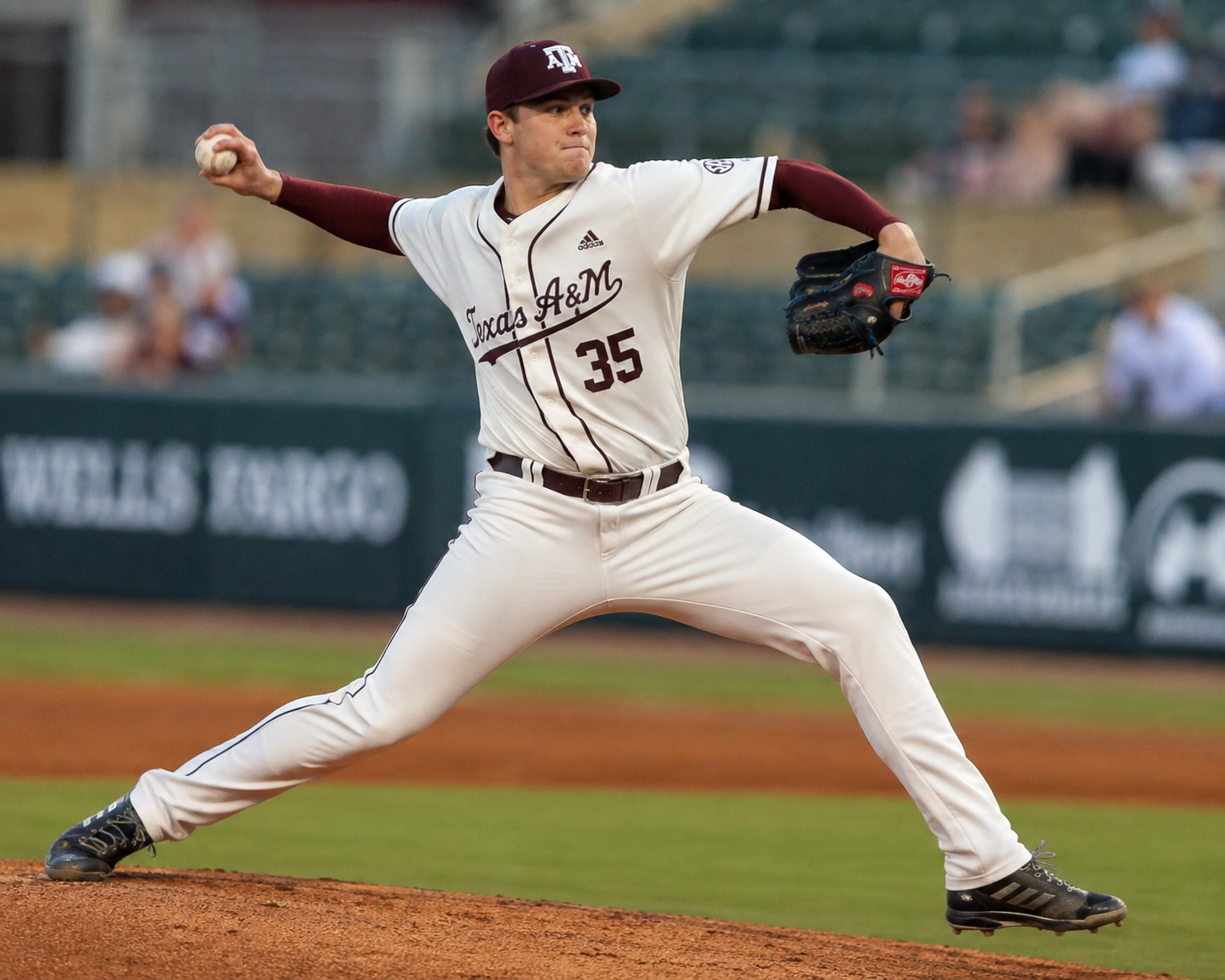
With the well-noted rise in arm injuries throughout all levels of baseball, specifically with the continued increase in incidence of ulnar collateral ligament surgeries (Tommy John or ‘TJ’) being performed on players as young as 13 or 14, there continues to be a myth perpetuated that getting this surgery will lead to an athlete coming out of it with an increase in throwing velocity. Thankfully, this has been largely debunked throughout the medical community. However, it is still not unheard of for an athlete who has undergone TJ surgery to come out throwing harder than before. Just like anything else, it’s not just one variable (the surgery) that caused this; there are likely multiple factors at play. In this article, we will break down the reasons this could happen.
Improved Arm Health
Perhaps the most obvious variable at play here is that once an athlete has undergone surgery and subsequent rehab, their arm simply feels better than it did before surgery. While many UCL tears happen acutely and during outings where an athlete reportedly was feeling great before the tear happened, that isn’t always the case. There are plenty of instances where an athlete has had ongoing elbow pain for weeks, months, or longer, yet was still able to pitch through it despite decreased performance and velocity. In these cases, there typically isn’t a single pitch when they feel a ‘pop’ or tear; rather, they reach a point where it’s apparent they can’t perform at their current level of health, and surgery becomes indicated. Very often, once this rehab process is completed, these athletes will report throwing at a higher velocity than they did in the time leading up to it, and maybe even prior to that. This is primarily a result of their elbow structure affecting their function to the point where improving that structure leads to performance gains.
Improved Physical Development
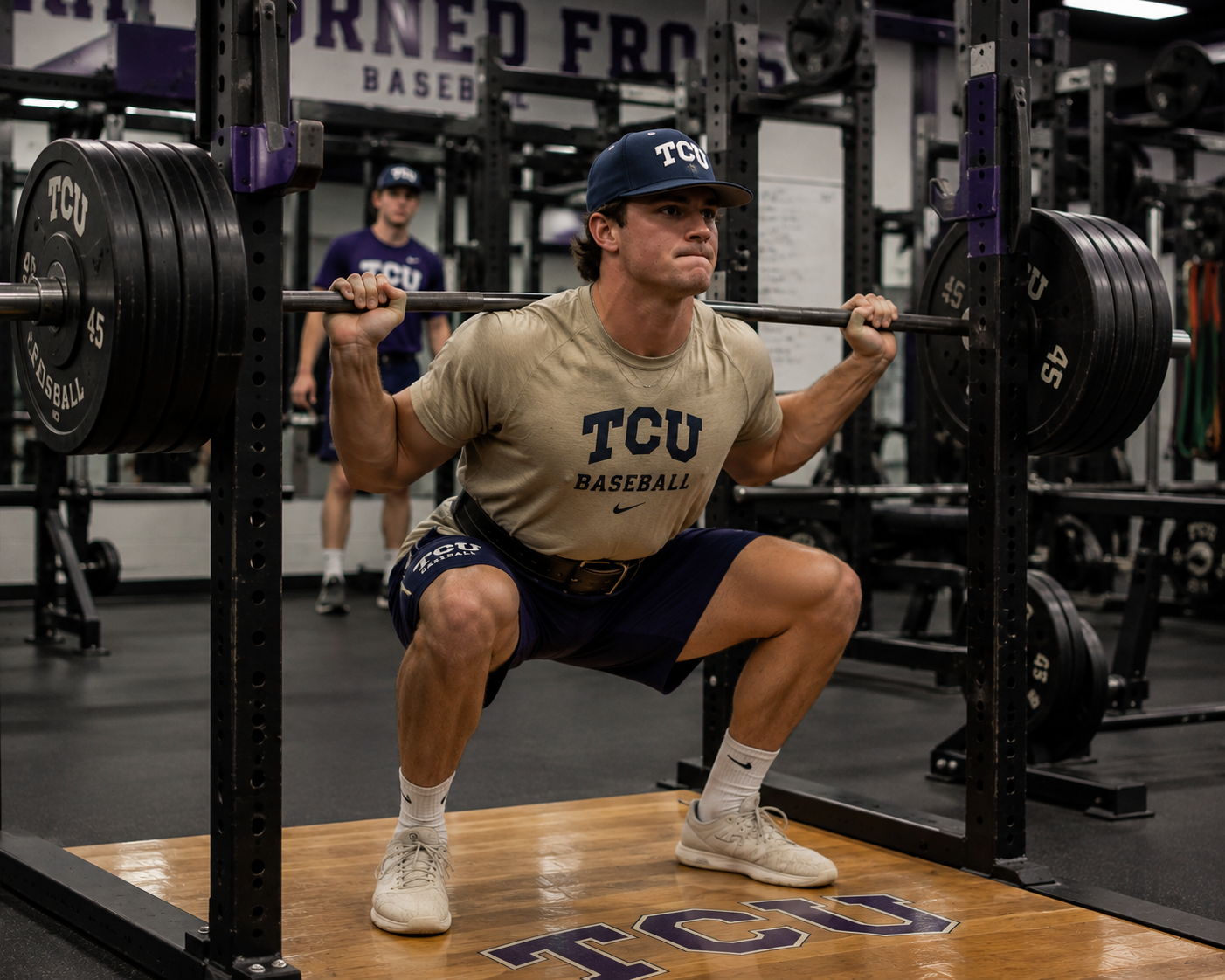
Arguably the largest area of potential improvement for many throwers post-TJ is what can happen in the weight room. TJ rehab, as with any long-term rehabilitation process, should, if done right, result in the pitcher coming out a better athlete. Obviously, the part of the body that was repaired, in this case the elbow, is going to be the primary focus. But recognizing that the rest of the body’s ability to tolerate stress via increased muscle mass, ability to produce high levels of force, and ability to produce force quickly is going to play just as important a role for an athlete in reducing the likelihood of sustaining another injury as the specific work done on the elbow will. With that, a properly done rehab, whether strictly through their provider or in collaboration with a qualified strength and conditioning coach, should result in the athlete becoming bigger, stronger, and more explosive. As is the case with the majority of throwers, having a significant increase in these qualities will very often yield higher throwing velocities. This holds true for throwers coming off a long-term injury as well.
Improved Throwing Efficiency and Routine
While the idea of throwing mechanics being the main culprit as to why an athlete got injured in the first place is vastly overstated, there is something to be said about the benefit that can be had from improving an athlete’s throwing mechanics whilst going through the return to throw process following surgery. The length of a return to throw program allows an athlete to ‘start fresh’, so to speak, with any mechanical adjustments they have needed to make. As it will be several months before they are allowed to start throwing at higher intensities again, using the thousands of repetitions they will get at lower throwing velocities to focus on tweaking their mechanics will help make it more ingrained once they start moving up in throwing velocity. The argument could be made that this is a large benefit for throwers going through this process. They are afforded the time it takes to make lasting mechanical improvements that most athletes, due to their year-round schedules, aren’t otherwise able to make. And while I stated that I think mechanics don’t play as large a role in injuries as the baseball community typically makes it out to be, I still want to make it clear that improvements in throwing mechanics can lead to improved transfer of energy up the chain into the ball being released while also, in some cases, providing a modest reduction in stress on the throwing arm.
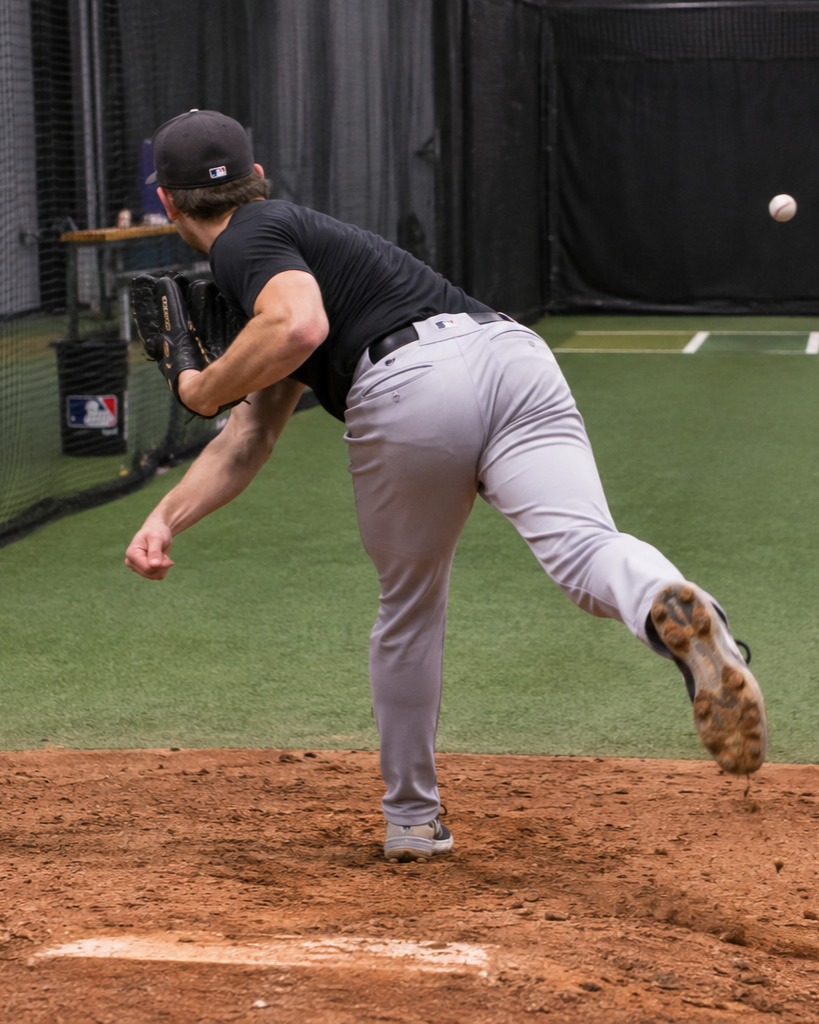
In the same vein, athletes can use this process to better structure their throwing routines and schedules. It is not uncommon, in my experience, to have a pitcher coming off any injury state they don’t have a consistent routine they execute for their throwing days, as well as having a pretty poorly managed throwing schedule throughout the year. While a consistent throwing routine, consisting of a proper dynamic warm-up, arm preparation, plyo ball drills, and so on, isn’t going to be the make-or-break for an athlete in their health and performance, it can still yield large benefits by ensuring that their bodies are fully ready to take on the stress of their upcoming throwing session. Similarly, I would argue that learning to structure their throwing schedule appropriately, where they are a) throwing an appropriate amount to maintain or build throwing fitness depending on the time of the year and b) ensuring that they have a nice balance of higher intensity/volume throwing days mixed in with lower or moderate intensity/volume days, again dependent on the time of year, is probably one of the most underlooked aspects for athletes with regards to both why they may have gotten hurt in the first place as well as helping them maintain health and improve performance for them in the long-term.
Regardless of whether an athlete is coming off an injury, improving their mechanical efficiency, getting locked into a good throwing routine, and appropriately managing their throwing schedule throughout the year will provide significant benefits to their health and performance. Specifically, for athletes who have improved their velocity post-TJ, these variables have probably played a major role in that improvement.
Taking Time Off
The final potential reason why an athlete may see a bump in velocity following surgery is simply that they have finally taken time off from their sport. This is multifaceted in its impact. First, when looking at the variables we have discussed previously - improved health, physical development, and throwing capabilities - those are all things that, if we are truly trying to make improvements, need dedicated time to see substantial gains in. When an athlete is in competition mode 10 or 11 months of the year, something that is unfortunately very common in today’s youth sporting environment, it drastically reduces the amount of time they can spend effectively rehabbing an injury, pushing themselves in the weight room, or making specific mechanical changes.
Secondly, piggybacking off the previous point. The competitive season is fatiguing. Specifically in baseball, there are a large number of games (often in short spans during tournaments) and considerable travel. Sleep, nutrition, and overall recovery can wane during these times, especially when you factor in that much of this will overlap with athletes' school schedules. Considering that, one can understand how a nearly year-round competitive season can accumulate fatigue for an athlete, reducing their on-field performance (and health). It then becomes clearer that when an athlete is forced to miss an extended period of competition, it can act as a reset for their body, and the result could be increased throwing velocity once they have returned to full health.
Taking these variables into account - improved health, increased physical capabilities, becoming a better, more structured thrower, and taking the appropriate time to dedicate to each- it’s apparent how some athletes may come out of their rehab process with improved velocity. This isn’t to perpetuate the myth that Tommy John surgery is a surefire performance bump. At the end of the day, it is still a major procedure performed on the body that, unfortunately, a portion of athletes never fully recover from. Hopefully, though, an athlete can read this article and recognize that the long road ahead can be an opportunity to become a better ball player.